

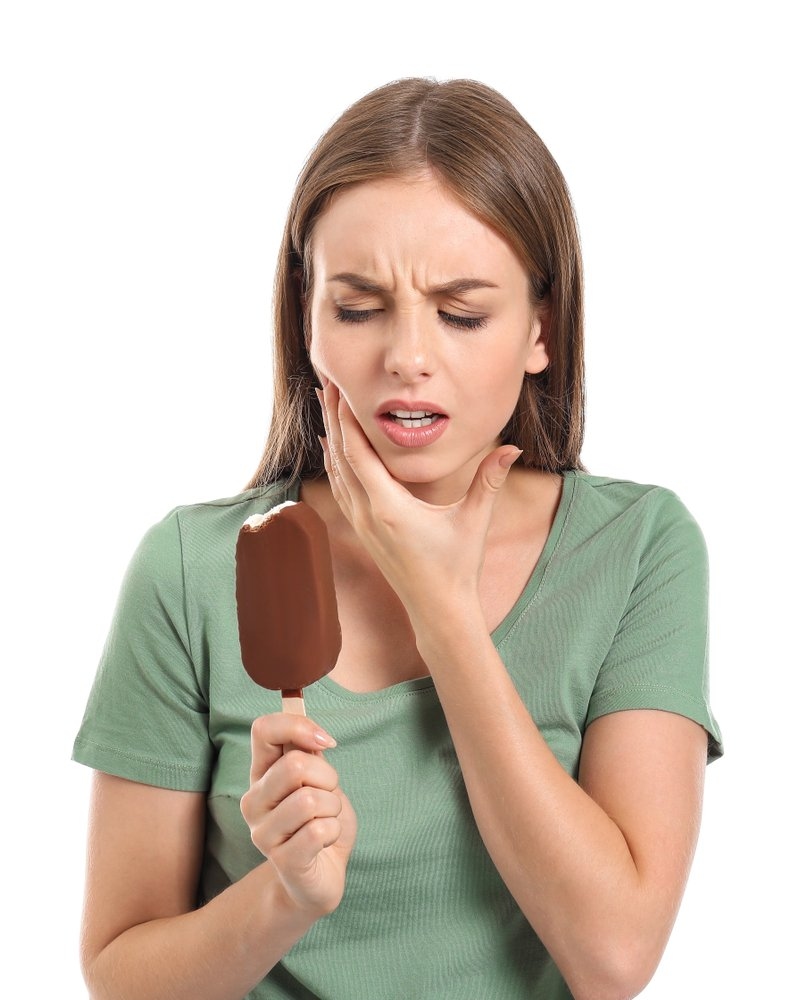
Experiencing sudden tooth sensitivity while enjoying a hot morning coffee or an ice cream cone can instantly turn a pleasant moment into sharp discomfort. According to clinical studies published by the American Dental Association, over forty percent of adults in the United States report suffering from sensitive teeth at some point in their lives. Wincing from temperature changes or sweet foods is a clear signal that your teeth need extra care and protection.
Dealing with sensitive teeth creates daily frustration, whether you are sipping your favorite drink, enjoying a family meal, or brushing before bed. You do not have to live with constant fear of sudden dental twinges.
In this comprehensive guide, we explore primary tooth sensitivity causes, review professional in-office remedies, detail at-home care steps, and share practical habits to protect your enamel for years to come.
To understand why teeth react to temperature and pressure or why my teeth are sensitive to cold, it helps to examine the underlying anatomy of a human tooth.
Underneath your hard outer protective enamel lies a soft, microscopic layer called dentin. Dentin contains thousands of microscopic tubules that lead directly to the tooth's central nerve pulp. When enamel wears down, or gums pull away, external cold, heat, or acid flows through these open tubules, stimulating the underlying nerve and triggering sharp discomfort.
Identifying the specific factors behind enamel loss makes finding targeted tooth sensitivity relief significantly easier.
Consuming citrus fruits, soft drinks, sports beverages, and coffee regularly dissolves protective enamel over time. As enamel thins, underlying dentin becomes exposed to temperature shifts.
Using hard-bristled toothbrushes or scrubbing with excessive force physically strips away enamel over months and years. This friction also irritates delicate gum tissue, causing gums to recede away from root surfaces.
Clenching or grinding your jaws during sleep exerts immense pressure on tooth surfaces. This ongoing force causes microscopic fractures in enamel, exposing sensitive lower layers to air and liquids.
Periodontal disease weakens supporting bone and gum tissue. As gums recede, uncovered tooth roots lack protective enamel, leaving exposed dentin highly vulnerable to external stimulation.
When at-home remedies are not enough, dentists provide specialized sensitive teeth treatment procedures to restore your comfort.
Implementing effective daily oral care habits provides reliable tooth sensitivity treatment without requiring complex procedures.
Knowing when temporary discomfort indicates a more serious underlying issue protects your long-term oral health. It is important to know when I should see a dentist for tooth sensitivity.
You should schedule a professional dental evaluation if sensitivity persists longer than two weeks despite using desensitizing products. Furthermore, if you experience localized pain in a single tooth, discomfort when biting down, lingering throbbing after eating, or swelling around your gums, consult your dentist promptly to check for cavities, cracked teeth, or infection.
Taking proactive steps to safeguard your enamel transforms your daily oral comfort and long-term health. Throughout this guide, we examined how exposed dentin tubules trigger discomfort, identified common causes like acidic diets and aggressive brushing, and explored professional solutions such as fluoride varnishes and bonding.
We also reviewed essential home remedies, including desensitizing pastes and gentle brushing techniques. By adopting consistent preventive habits, you protect your smile from structural damage and enjoy your favorite foods and beverages completely pain-free.
Maintaining a radiant, pain-free smile is effortless when you use gentle, high-quality oral care products designed for daily enamel protection. Elevating your daily brushing routine with specially formulated toothpaste strengthens protective layers and keeps your teeth clean and resilient against everyday temperature shifts.
Explore expert oral health resources, gentle care solutions, and specialized desensitizing formulas today at Tothpastes.
Yes, mild sensitivity can fluctuate depending on your daily diet, hydration, and stress levels. Temporary sensitivity may occur after consuming highly acidic foods or during cold winter months, but persistent discomfort usually indicates ongoing enamel erosion or gum recession that requires attention.
Most desensitizing toothpastes require consistent daily use for two to three weeks before building up full protective barriers over exposed dentin tubules. Using the paste continuously morning and night ensures ongoing relief from temperature-related pain signals.
Professional cleanings remove accumulated tartar and plaque deposits from root surfaces, exposing previously covered dentin to air and liquids temporarily. This post-cleaning sensitivity is usually mild and typically resolves within a few days as your mouth adapts.
Hormonal changes during pregnancy increase blood flow to gum tissues, making them more prone to swelling, inflammation, and recession. Additionally, morning sickness introduces stomach acids to the mouth, which can temporarily weaken enamel and heighten tooth sensitivity.
Teeth whitening agents containing peroxide can temporarily penetrate enamel, irritating underlying nerve tissues. Individuals with existing sensitivity should consult their dentist before whitening, select lower-concentration formulas, or use desensitizing gels alongside whitening treatments to minimize discomfort.
This content was created by AI