

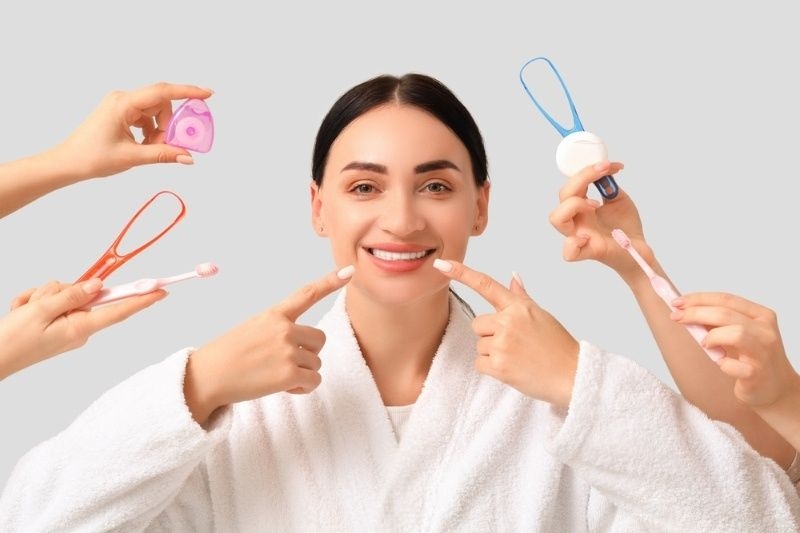
A nice smile is the thing people see, but to keep it looking great, you need to do more than just brush your teeth quickly sometimes. We all learned to brush our teeth when we were kids. A lot of grown-ups still have problems with cavities, sore gums, and yucky plaque. Taking care of your teeth is not just about looking good; it is really important for your whole body, and it can even affect your heart and how you digest food.
Making a habit of taking care of your teeth and gums does not have to be hard. You have to do it all the time. If you know how plaque works and when to take care of your teeth, you can avoid going to the dentist for treatments. In this article, we will talk about the things you need to do every day to take care of your teeth, the best way to clean them, and some professional tips for a brighter smile and to help you take better care of your teeth.
Consistency is really important when it comes to caring for your teeth. You see, dental plaque is a film of bacteria that constantly forms on your teeth. If you do not remove plaque within 24 to 48 hours, it can turn into tartar. The thing is, only a professional dentist can remove tartar. It is a good idea to establish a daily routine that prevents bacteria from settling in and damaging your teeth.
To have a mouth, you need to pay attention to a few things every day. Here is a quick look at the things you should do to take care of your teeth:
Many people brush their teeth twice a day. They still get cavities because their toothbrushing technique isn't good. Brushing your teeth properly requires a toothbrush and toothpaste with fluoride, and you have to apply it gently to your teeth. If you brush your teeth too hard, it can hurt your gums and wear away the protective layer on your teeth. The only way to clean the parts of your teeth that your toothbrush cannot reach is by using floss. Flossing benefits achieving strong teeth. If you do not use floss, you are leaving more than a third of your mouth dirty.
To get a feeling like from a dentist at home, you need to do things in a certain order. Using a step-by-step guide helps to make sure that every product you use. Toothpaste and mouthwash. Works as well as it can. This way, you can make the most out of your toothpaste and other products. You should use them in a way that they work well together. A dentist-clean feeling needs a routine.
| Step | Action | Benefit |
| Step 1 | Floss | Loosens debris between teeth so fluoride can reach those areas. |
| Step 2 | Brush | Removes plaque from the front, back, and chewing surfaces. |
| Step 3 | Tongue Scrape | Removes bacteria from the tongue, a major cause of bad breath. |
| Step 4 | Rinse | Finalizes the process by killing remaining germs and freshening breath. |
While a basic toothbrush and floss are important, there are tools that can improve your daily dental care. Electric toothbrushes give thousands of brush strokes per minute. This is much more than what you can do by hand.
Water flossers are also helpful for people with braces or permanent retainers. They find it hard to use string floss. Your diet has a significant impact on your health. Try to limit sugary snacks and acidic drinks. These provide food for bacteria to make acid that hurts your teeth. Drinking water throughout the day helps keep your mouth healthy. It helps make saliva, which protects your teeth from decay.
Building an oral care routine is a good thing for your health in the long run. If you use the tools and do things correctly every day, you can have a nice smile and healthy gums. Your daily habits are the way to keep your teeth and gums healthy, so make sure you do the right things every day to take care of your oral care routine and be healthier. Taking care of your care routine is important for your health.
You should wait at least 30 to 60 minutes before brushing your teeth after eating acidic foods or drinks, such as citrus fruits, soda, or wine. Acid makes tooth enamel temporarily softer. If you brush your teeth too hard, you might wear away the weak enamel. Waiting helps your saliva neutralize the acid, making your teeth stronger again. This way, you can clean your teeth without hurting them.
When it comes to mouthwash, people usually prefer the kind that does not have alcohol in it. This is because alcohol-based mouthwashes can make the mouth very dry. The mouth needs saliva to fight bacteria and reduce the strength of the acids. If the mouth is too dry, it can actually make your breath smell bad. You might get more cavities. Alcohol-free mouthwashes are nicer to the gums and the inside of the cheeks. At the time, they still help fight off bad bacteria and have fluoride to keep your teeth and mouth healthy.
When you use a tongue scraper, it gets rid of the stuff on your tongue. This bad stuff is like a layer of particles that include bacteria, old food, and dead cells. These particles get stuck in the bumps on your tongue. Brushing your tongue can help a little. It usually just pushes the bacteria around. It does not really get rid of it. A tongue scraper is better because it has a surface that pulls all the bad stuff out of your mouth. When you use a tongue scraper, your breath is a lot fresher. A tongue scraper also helps because it reduces the number of bacteria in your mouth. This means that plaque does not come back quickly.
This content was created by AI