

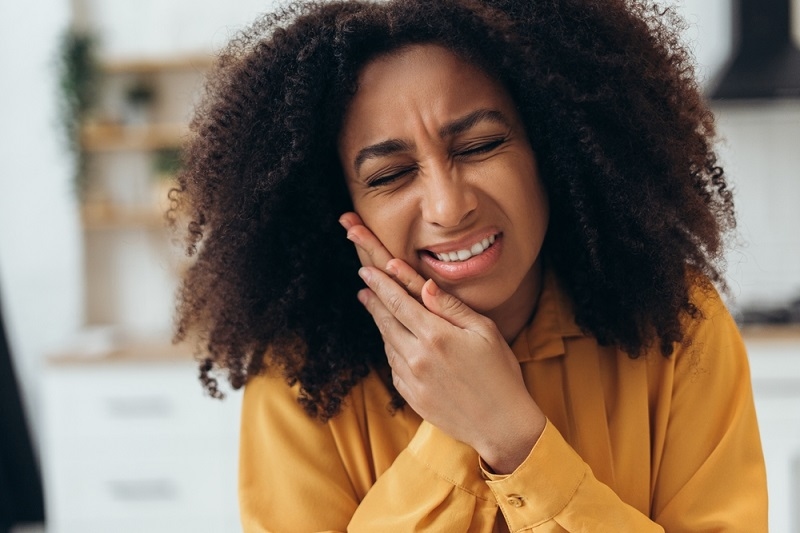
The grinding of the teeth usually remains silent and occurs at night or when the person is stressed, and most adults are not aware of it. In the long run, Bruxism has the power to have impacts on sleep, teeth, and comfort in everyday life. Knowing the reasons, symptoms, and treatment choices will ensure that you observe the symptoms at the earliest stage and maintain your long-term oral health without worry today.
Teeth grinding sounds like something you would notice right away. Loud. Obvious. Hard to miss. But here’s the thing. For many adults, bruxism quietly slips into daily life without much warning.
What is Bruxism (Teeth Grinding)? At its core, bruxism is the repeated clenching, grinding, or gnashing of teeth. It often happens without awareness, especially during sleep. Some people grind during the day while working, driving, or even scrolling on their phone. Others only do it at night and never realize it until a dentist points it out.
Bruxism is not rare. Many adults in the United States deal with it at some point, especially during stressful phases of life. New jobs. Parenting. Financial pressure. Even positive stress can play a role.
Bruxism comes in two main forms. Awake bruxism happens during the day and is often linked to concentration or emotional tension. Sleep bruxism happens at night and is considered a sleep-related movement condition.
Sleep bruxism can feel sneaky. You go to bed tired and wake up tired again. The jaw aches. The head feels heavy. You might blame your pillow or your mattress. Meanwhile, your teeth have been working overtime.
Suggested Reading: Causes of Dry Mouth at Night and Xerostomia Dry Mouth
Bruxism is not a one-size-fits-all condition. Knowing the type helps make sense of symptoms and treatment.
Awake bruxism is usually tied to habits and emotions. Think clenched jaw during traffic or while answering emails. It often comes with anxiety or focus-heavy tasks. The good news? Awareness goes a long way here.
Sleep bruxism happens when the brain and jaw misfire during sleep cycles. It may be linked to sleep disorders, breathing issues, or nervous system activity. Many people find out only after dental damage shows up.
Here’s the big question. What causes teeth grinding when there is no obvious reason? The answer is layered. Sometimes messy. Often personal.
Let’s not dance around it. Stress is a major driver. When life piles on pressure, the body looks for release. For some adults, that release shows up in the jaw. Grinding becomes a physical outlet for mental overload.
Sleep apnea, snoring, and poor sleep quality often go hand in hand with bruxism. When breathing is disrupted, the jaw may clench as the body tries to reopen the airway. It is not intentional. It is survival mode.
Caffeine. Alcohol. Nicotine. These stimulants can increase muscle activity during sleep. Late-night coffee or that extra glass of wine might feel harmless, but they can fuel nighttime grinding.
Sometimes the teeth themselves contribute. An uneven bite or missing teeth can cause the jaw to work harder than it should. Over time, that effort turns into grinding.
Don't Miss: Cavity Prevention – Key Steps to Keep Your Teeth Cavity Free
Symptoms of bruxism are not always dramatic. They creep in slowly. Easy to dismiss. Until they are not.
Waking up with a sore jaw is a classic sign. Some people feel tightness near the ears or along the cheeks. Others notice clicking or popping when opening their mouth.
Grinding wears down enamel. Teeth may look shorter or flatter over time. Sensitivity to hot or cold foods often follows. Small cracks can form, sometimes without pain at first.
Morning headaches are common with bruxism. They often feel dull and deep, starting near the temples. Neck and shoulder tension can tag along, making mornings rough.
Even if you sleep eight hours, grinding can prevent deep, restorative sleep. You wake up groggy. Irritable. Coffee barely helps.
Here’s where it gets personal. Bruxism does not stay neatly in the mouth. It spills into daily routines.
Eating can become uncomfortable. Talking for long periods may tire the jaw. Some people avoid crunchy foods without realizing why. Over time, dental repairs add up. Crowns. Fillings. Night guards. It is not just physical. It is emotional and financial, too.
Bruxism treatment works best when it is practical, not perfect. There is no single fix, but there are solid options.
Custom night guards are common in the United States and for good reason. They cushion the teeth and reduce damage during sleep. Over-the-counter guards exist, but custom ones fit better and last longer.
Dentists may also suggest bite adjustments or restorative work if damage is advanced.
The grinding of the teeth usually remains silent and occurs at night or when the person is stressed, and most adults are not aware of it. In the long run, Bruxism has the power to have impacts on sleep, teeth, and comfort in everyday life.
Here’s the thing. There is no stress reduction, but the aim is to alleviate it. That is unrealistic. Small shifts help. Jaw awareness during the day. Short breaks. Stretching the face and neck.
Sleep bruxism can be diminished by the enhancement of sleep hygiene. Consistent bedtimes. Less screen time at night. Reducing consumption of caffeine following lunch.
Restricting liquor at night makes it as well. Not forever. Just enough to see change.
Also Read: Essential Oral Health Tips for a Brighter and Stronger Smile
What is Bruxism (Teeth Grinding)? It concerns the way the body copes with stress, sleep, and disequilibrium. In grown-ups, it is a sign of an overworked head and a fed-up neurosis. Learning the reason teeth grind, early signs of bruxism, and the appropriate bruxism therapy will help not only to save your teeth, but also your comfort, in general.
There are some cases when it does, particularly when the stress levels decrease. In the case of many adults, it is when it hits and when it has been depleted according to life situations.
It is not typically harmful, yet the untreated bruxism may result in tooth damage, jaw disorders, and chronic pain in the long run.
Night guards protect teeth but do not cure bruxism. They are part of management, not a standalone fix.
Start with a dentist. They can assess tooth damage and guide you toward the right next step if medical care is needed.
This content was created by AI